

1. Daily Visual & Noise Check: The First Step of Electric Cargo Tricycle Motor Maintenance
- Inspect the motor housing for cracks, loose bolts, or oil leaks.
- Listen for abnormal noise (grinding, rattling, or humming) at low speed.
- Check wiring connectors for fraying or corrosion, especially near the motor.
These quick checks help you spot small problems before they escalate into costly repairs.
2. Weekly Cleaning & Bolt Tightening
- Wipe the motor surface with a dry cloth to remove dust, mud, and debris (never use high-pressure water, as this can damage internal components).
- Tighten all motor mounting bolts to the recommended torque to reduce vibration damage.
- Inspect phase wires (U/V/W) for loose connections and secure them with zip ties.
Clean connections and tight bolts prevent power loss and ensure smooth motor operation.
3. Monthly Bearing Lubrication for Smooth Operation
- Use lithium-based grease to lubricate front and rear motor bearings (1-2 pumps each).
- For hub motors, remove the rear wheel to access bearings and clean old grease before adding new.
- Check for stiff wheel rotation (a sign of dry bearings) and address immediately.
Proper lubrication reduces noise, prevents bearing failure, and keeps the motor running efficiently.
4. Seasonal Waterproof & Rust Prevention
- In rainy seasons, apply waterproof sealant to motor wiring ports and housing gaps.
- Spray anti-rust oil on metal parts for models used in humid or coastal areas.
- Keep the motor housing dry and free of standing water after use.
Water intrusion and rust are common causes of motor failure, especially in outdoor and harsh environments.
5. Overload Prevention: The #1 Cause of Motor Burnout
- Never exceed your tricycle’s rated load (check the manual for your model).
- Reduce cargo weight on steep slopes to avoid motor overheating.
- Take a 10-minute break after 1 hour of continuous heavy use.
Keeping the motor within its operating limits prevents overheating and extends its lifespan.
6. Hall Sensor Inspection & Maintenance
- Test sensor wiring for damage and ensure connectors are seated firmly.
- Clean sensor contacts with a dry cloth to remove dust or corrosion.
- If acceleration is jerky, inspect the sensor position and alignment.
Faulty Hall sensors can cause stuttering, power loss, and motor damage if left unaddressed.
7. Common Motor Faults & DIY Repairs
- Grinding noise: Replace worn bearings and lubricate the new ones.
- Jerky acceleration: Check and reseat Hall sensor connectors.
- Overheating: Clean cooling vents and reduce cargo load.
- Loose wiring: Secure connectors with insulating tape or heat shrink tubing.
Simple repairs done early can save you from expensive replacements later.
Why Electric Cargo Tricycle Motor Maintenance Matters for Your Business
- Reduce downtime and keep your fleet operational.
- Extend the life of your motors, delaying costly replacements.
- Lower long-term repair costs by catching issues early.
- Improve the reliability and performance of your vehicles.
Final Remarks
Related Resources
Product/Sample Photos
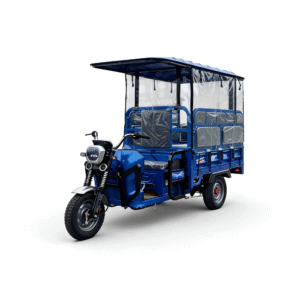
Alt Text: electric cargo tricycle motor maintenance
Alt Text: electric cargo tricycle motor inspection and cleaning