

electric cargo tricycle controller troubleshooting helps users and dealers quickly locate electrical failures, reduce maintenance time, and avoid unnecessary part replacement. The controller acts as the central command unit for every electric tricycle, managing motor output, battery protection, speed control and signal coordination. Daily heavy load use, wet environments and long-time operation easily cause controller damage or signal errors. This practical guide covers common faults, simple inspection steps and DIY solutions, suitable for https://yihuev.com/product/product-light-duty-electric-cargo-tricycle/ and https://yihuev.com/product/product-hydraulic-auto-unloading-trike/.
Common Controller Failure Symptoms
Before starting electric cargo tricycle controller troubleshooting, identify typical abnormal performances:
- The tricycle cannot start and has no power response.
- Slow speed, limited power and weak climbing ability.
- Sudden power cut-off during driving and intermittent operation.
- Obvious heating or burning smell from the controller shell.
- Dashboard fault codes related to current or signal failure.
- Motor jitter, jerky acceleration and abnormal noise.
Step-by-Step Electric Cargo Tricycle Controller Troubleshooting
1. Pre-Inspection: Rule Out Simple Externals
Complete these quick checks first to save time:
- Turn off the power switch and disconnect the main battery wire for 3 to 5 minutes to reset the controller.
- Check all plug connectors for looseness, water ingress, rust or pin bending.
- Confirm battery voltage is stable without severe pressure drop during acceleration.
- Examine controller surface for water stains, cracks and overheating marks.
- Verify throttle switch, brake cut-off switch and Hall sensor wiring are intact.
2. No Power Output: Test Main Power & Signals
If the vehicle cannot run normally, focus on power input and main line connection:
- Test the main positive and negative power lines of the controller to ensure stable voltage input.
- Check the power lock signal line for normal switch conduction.
- Replace the brake power-off plug to exclude brake switch short circuit.
- After eliminating peripheral accessories, the internal circuit board of the controller may be damaged and needs replacement.
3. Weak Power & Speed Limitation: Check Load & Compatibility
Insufficient power is one of the most frequent problems in daily use:
- Check whether the overcurrent protection is triggered by long-time heavy load.
- Confirm the controller power model matches the motor power specification.
- Clean aging wiring terminals to reduce line resistance.
- Avoid long-time high-load driving to prevent automatic power limitation.
4. Intermittent Power Failure: Inspect Connections & Overheating
Intermittent shutdown is mostly caused by poor contact or overheating protection:
- Re-plug all controller harnesses and fasten waterproof plugs.
- Check heat dissipation conditions; ensure the controller installation position is ventilated.
- In rainy areas, wrap waterproof tape on exposed connectors to prevent short circuit.
- Replace aging wire harnesses with broken internal copper wires.
5. Controller Overheating: Reduce Load & Improve Cooling
Continuous high temperature will accelerate aging and shorten service life:
- Overload transportation and long slope driving are the main causes of overheating.
- Remove dust and mud on the controller surface to improve heat dissipation.
- Appropriately reduce cargo weight and avoid frequent rapid acceleration.
- For long-term heavy-duty models, upgrade high-power enhanced controller.
6. DIY Quick Repairs: Fix Minor Faults Without Tools
Most minor faults can be solved without professional tools:
- Use dry cloth to wipe water and dust on connectors to restore signal transmission.
- Reconnect loose motor phase lines and Hall lines to avoid virtual connection.
- Cut off the short-circuited brake signal line to release forced power-off protection.
- Add heat insulation gaskets between the controller and the body to reduce high temperature conduction.
7. When to Replace the Controller: Know the Red Flags
Stop repeated maintenance and replace in the following situations:
- The shell is severely burned, deformed or has obvious water immersion corrosion.
- Multiple functional signals are abnormal at the same time and cannot be recovered after wiring inspection.
- Internal short circuit causes battery fuse to blow repeatedly.
- The model is outdated and parts are difficult to match, affecting daily operation.
Daily Protection to Extend Controller Service Life
Good daily maintenance greatly reduces failure probability:
- Avoid washing the vehicle with high-pressure water to prevent water from entering the controller box.
- Do not modify the circuit and increase electrical equipment without authorization.
- Control load weight and do not exceed the rated carrying range of the vehicle.
- Regularly check line aging and replace aging harnesses in time.
- Park in a dry and ventilated place in rainy and humid seasons.
Final Thoughts
Mastering basic electric cargo tricycle controller troubleshooting allows dealers, fleet owners and individual users to quickly solve common electrical faults, save maintenance costs and reduce vehicle downtime. Matching correct specifications, standardized use and daily waterproof protection are the key to long-term stable operation of the controller. For heavy transport and special engineering models, regular inspection and timely maintenance will create higher service value for your electric cargo tricycles.
Related Links
https://yihuev.com/product/product-light-duty-electric-cargo-tricycle/
https://yihuev.com/product/product-hydraulic-auto-unloading-trike/
Product Photos
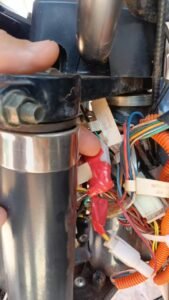
Alt Text: electric cargo tricycle controller troubleshooting
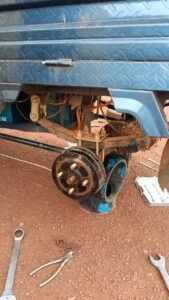
Alt Text: electric cargo tricycle controller inspection and repair steps