

An electric cargo tricycle operation guide is essential for every operator to use their 3-wheel electric trike safely and efficiently. Electric cargo tricycles stand as the most reliable last-mile delivery solution for urban logistics, farm transport, and small business operations—boasting high load capacity, ultra-low energy consumption, and unbeatable flexible maneuverability for tight urban streets and rural roads alike. To ensure maximum operational safety, extend your 3-wheel electric cargo tricycle’s service life, and boost daily logistics efficiency, this complete standard operation and maintenance guide is compiled directly from the official electric tricycle user manual. It covers every critical step from pre-start safety checks to long-term battery care, and is fully tailored for operators of our heavy-duty electric cargo tricycles—your go-to resource for seamless, trouble-free use.
1. Pre-Start Safety Check: The Unskippable Foundation of Safe Operation
In any electric cargo tricycle operation guide, the pre-start safety check is always the first step to avoid accidents and eliminate safety risks for you and your cargo. Follow these step-by-step checks before every startup—per the official electric tricycle user manual—to keep your vehicle in optimal condition:
- Vehicle Appearance Inspection: Examine the reinforced steel frame, cargo box, and body for visible damage, dents, or loose bolts; confirm foldable side panels and cargo box latches are locked tightly to prevent cargo shifting during transport.
- Battery & Circuit Check: Verify the 72V lithium battery is securely fastened in the battery compartment, with no loose, frayed, or exposed wires; check the LCD digital instrument for a normal battery level display—a minimum of 20% charge is recommended for all operations to avoid sudden power loss.
- Tire & Brake Check: Inspect the 4.00-12 front tire and 145/70R-12 rear vacuum tires for air leakage, excessive wear, or embedded foreign objects (e.g., nails, stones); test the front and rear drum brake system and parking brake to ensure sensitive, immediate, and effective braking response.
- Accessory Check: Confirm LED headlights, turn signals, and rearview mirrors are intact and fully functional for road visibility; check the IPX6 waterproof charging port cover is sealed tightly to prevent dust and water intrusion.
2. Standard Driving Operation: Master Basic Skills for Stable Use
Following this electric cargo tricycle operation guide, master these driving skills to avoid unnecessary wear and drastically improve driving safety for all road conditions. All operations below align 1:1 with the official electric tricycle user manual:
2.1 Ignition & Dashboard Operation
Insert the vehicle key and turn it to the “ON” position; wait 2-3 seconds for the vehicle system to complete self-check, and only start driving if the dashboard displays no error codes (error codes indicate unresolved issues that require immediate inspection). The LCD dashboard displays real-time critical data: driving speed, remaining battery level, and total mileage—keep a constant eye on the battery level during use to plan routes and avoid stranded trips due to power loss.
2.2 Gear & Throttle Control
The electric cargo tricycle features 3-speed adjustment (Low/Medium/High) and a dedicated reverse gear—use gears strategically for every scenario:
- Low speed: Ideal for starting, uphill driving, or navigating narrow urban roads/alleyways;
- Medium/High speed: For flat road travel and long-distance last-mile delivery routes;
- Reverse gear: For slow maneuvering in tight spaces (always confirm no obstacles or people are behind the vehicle before reversing).
Twist the throttle gently and steadily: Avoid sudden, heavy throttle twists, which cause excessive current flow and permanent damage to the motor and lithium battery; release the throttle in advance when decelerating to save energy and reduce brake wear.
2.3 Braking & Parking Operation
Use the dual brake pedals for smooth, controlled braking: Press the pedals evenly and gradually—never slam on the brakes suddenly, especially when carrying heavy loads, to prevent cargo shifting, vehicle skidding, or rollover risks. When parking, follow this critical sequence: pull up the parking brake first to secure the vehicle, then turn the key to the “OFF” position; for parking on slopes or inclined ground, place anti-slip blocks under the rear tires to prevent accidental sliding.
3. Correct Charging Method: The Key to Extending Battery Life
Battery care is a core part of this electric cargo tricycle operation guide, as the 72V lithium battery is the heart of your vehicle and the single most important factor in extending its service life. Follow these safe charging steps to protect your battery and avoid premature replacement:
- Pre-Charging Preparation: Turn off the vehicle and disconnect all power supplies before charging; open the charging port cover, and ensure the port is completely dry and free of dust—wipe with a clean dry cloth if necessary to prevent short circuits.
- Charging Operation: Use the original 110V/220V dual-voltage charger (only factory-provided chargers are compatible) to connect the vehicle’s charging port and a grounded power socket; the charger indicator light turns red when charging and green when fully charged—do not overcharge the battery for more than 12 hours (overcharging causes battery degradation).
- Post-Charging Steps: Unplug the power socket first, then disconnect the charger from the vehicle to avoid electrical surges; close the charging port cover tightly to maintain its IPX6 waterproof and dustproof performance.
- Battery Storage Tip: If the electric cargo tricycle is not used for an extended period (more than 7 days), charge the battery to 60%-80% and store the vehicle in a cool, dry, well-ventilated area (avoid direct sunlight or extreme temperatures); recharge the battery every 15 days to prevent over-discharging, which permanently damages battery cells.
4. Daily Basic Maintenance: Reduce Faults & Boost Efficiency
Daily maintenance steps in this electric cargo tricycle operation guide keep your 3-wheel electric cargo tricycle in peak working condition, slash long-term maintenance costs, and extend the vehicle’s overall service life—no professional tools are required for these steps, all aligned with the official user manual:
- After-Use Cleaning: Wipe the vehicle body, cargo box, and motor surface with a damp cloth to remove dust, dirt, and delivery-related debris; never flush the motor, controller, or battery compartment with water to prevent electrical short circuits and component damage.
- Component Inspection: Check the suspension system, rear axle, and all connecting rods for loose bolts every 3 days; lubricate the brake and throttle cables regularly with a non-corrosive lubricant to ensure flexible, smooth operation.
- Tire Maintenance: Check tire pressure weekly and maintain the standard pressure specified in the official user manual (proper pressure prevents flat tires and abnormal wear); remove small stones, glass, and other foreign objects from tire treads in a timely manner to avoid punctures and uneven tire wear.
- Waterproof Protection: In rainy or wet weather, clean all water from the controller and battery compartment immediately after use with a dry cloth; ensure all waterproof covers and seals are closed tightly to prevent water intrusion—critical for preserving electrical components.
5. Critical Safe Operation Notes
Safe operation rules are emphasized in every electric cargo tricycle operation guide. Adhere to these non-negotiable rules to protect your vehicle, ensure personal safety, and comply with logistics operation standards—violations may cause vehicle damage, safety accidents, or shortened component life:
- No Overloading: Never exceed the vehicle’s rated load capacity (1500W model: 600kg; 2000W model: 1000kg)—overloading damages the motor, suspension system, and tires, and increases rollover risks.
- Even Cargo Distribution: Distribute cargo evenly in the cargo box; place heavy items at the bottom and center to maintain the vehicle’s balance and prevent rollover during turns or uphill driving.
- Slope Restriction: Do not drive the vehicle on steep slopes exceeding 20%—our electric cargo tricycles have a 20% climbing capacity under full load, and steeper slopes cause motor overheating and burnout.
- Safety First: Always wear a safety helmet when driving; never carry passengers in the cargo box—this violates safety operation regulations and creates severe accident risks.
- Immediate Shutdown for Abnormalities: If any abnormal phenomena occur during use (e.g., unusual motor noise, battery overheating, weak braking, or dashboard error codes), stop using the vehicle immediately and refer to the troubleshooting section in the official user manual; contact professional after-sales personnel for maintenance if the issue cannot be resolved—do not continue driving with unresolved problems.
Final Remarks
This electric cargo tricycle operation guide is a simplified, easy-to-follow version of the official electric tricycle user manual. For more detailed technical parameters, a scheduled maintenance calendar, and advanced troubleshooting methods for all components, please refer to the full user manual provided with your vehicle at the time of purchase.
For more details on lithium battery safety standards, refer to the guidelines from the International Electrotechnical Commission (IEC).
Standard operation and regular maintenance are the cornerstones of safe, efficient, and long-lasting electric cargo tricycle use—this guide is designed to help every operator master correct usage for our heavy-duty 3-wheel electric cargo tricycles, ensuring your last-mile delivery, farm transport, or small business logistics operations run seamlessly every day. We are committed to providing high-quality electric cargo tricycle products and professional, timely after-sales service to support your business growth.
If you have any questions about vehicle operation, maintenance, or troubleshooting, please contact our dedicated customer service team at any time—we will reply to your inquiries and resolve your issues as soon as possible!
Related Product Link
Product/Sample Photos
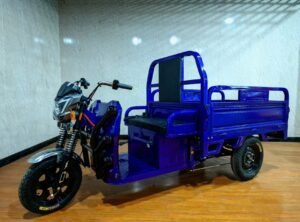
Alt Text: electric cargo tricycle operation guide

Alt Text: 7 pro tips for safe electric cargo tricycle operation
Core Keywords (Naturally Integrated)
Electric Cargo Tricycle, Electric Tricycle Operation Guide, 3-Wheel Electric Tricycle, Electric Trike User Manual, Electric Cargo Tricycle Safety, Electric Tricycle Maintenance, Last Mile Delivery Solution