
- electric cargo tricycle brake system maintenance is non-negotiable for safe heavy-load operation—whether you’re hauling goods with a https://yihuev.com/product/product-smart-cargo-electric-tricycle/ or navigating rough terrain with a https://yihuev.com/product/product-rugged-electric-cargo-tricycle/. The brake system is the most important safety component of any electric cargo tricycle, and neglecting its care leads to reduced stopping power, brake failure, and serious accidents. For commercial operators and fleet managers, regular brake maintenance also cuts repair costs and minimizes downtime from unexpected breakdowns. This guide covers 9 critical, actionable tips to keep your tricycle’s brake system in perfect working condition year-round.
1. Daily Visual Brake Inspection (2-Minute Check)
Start every workday with a quick visual check to catch obvious brake issues early. This step is the foundation of electric cargo tricycle brake system maintenance:- Inspect brake levers for cracks, loose grips, or stuck mechanisms—ensure they spring back quickly when released.
- Check brake hoses (hydraulic models) for fraying, leaks, or bulges; inspect brake cables (mechanical models) for rust or slack.
- Verify brake lights activate when squeezing levers—faulty lights increase collision risks in traffic or low light.
2. Weekly Brake Pad/Shoe Wear Check
Brake pads and shoes are the first wear points—replace them before they fail, a key part of electric cargo tricycle brake system maintenance:- Mechanical drum brakes: Remove the wheel hub cover and check shoe thickness (replace if ≤3mm of friction material remains).
- Hydraulic disc brakes: Inspect pad thickness through the caliper window (replace if ≤2mm—critical for heavy-load models).
- Clean brake dust from pads/shoes with a dry brush (never use compressed air—brake dust is harmful if inhaled).
3. Adjust Brake Lever Free Play (Critical for Responsiveness)
Improper free play causes soft levers or stuck brakes—adjust it weekly as part of electric cargo tricycle brake system maintenance:- Mechanical brakes: Loosen the cable adjuster nut, pull slack from the cable, and retighten (1-2cm of free play at the lever is ideal).
- Hydraulic brakes: Bleed the brake line if levers feel spongy (air in lines reduces stopping power); check fluid levels.
- Test brakes after adjustment—ensure smooth engagement and full release without dragging.
4. Monthly Brake Fluid Check & Replacement (Hydraulic Models)
Hydraulic brake fluid degrades over time—maintain it for consistent performance in electric cargo tricycle brake system maintenance:- Check the fluid reservoir level (keep it between MIN and MAX—use only DOT 3/DOT 4 brake fluid for tricycles).
- Replace brake fluid every 6-12 months (old fluid absorbs moisture, causing corrosion and reduced braking).
- Inspect reservoir seals for leaks—replace if cracked or worn to prevent fluid loss.
5. Clean & Lubricate Brake Linkages (Mechanical Models)
Rust and dirt in linkages cause stiff brakes—lubricate monthly, a simple step in electric cargo tricycle brake system maintenance:- Wipe brake cables and linkages with a clean cloth to remove rust and debris.
- Apply a small amount of silicone lubricant to cable housings and pivot points (avoid getting lubricant on brake pads/shoes).
- Check cable tension after lubrication—readjust if needed to maintain proper free play.
6. Inspect Brake Drums/Rotors for Damage & Wear
Warped or scored drums/rotors reduce braking efficiency—inspect monthly in electric cargo tricycle brake system maintenance:- Drums: Check for deep scratches, cracks, or warping; machine or replace if damaged (warped drums cause vibration when braking).
- Rotors: Inspect for scoring, rust, or uneven wear; replace if thickness is below the manufacturer’s minimum (typically ≥10mm).
- Clean drums/rotors with brake cleaner to remove oil or grease—contamination causes reduced friction and skidding.
7. Check Wheel Bearings & Hub Alignment
Loose wheel bearings affect brake performance—inspect every 2 months as part of electric cargo tricycle brake system maintenance:- Lift the rear wheel and spin it by hand—listen for grinding noise (a sign of worn bearings) and check for side-to-side play.
- Tighten wheel hub nuts to the recommended torque (25-30 N·m) to prevent misalignment.
- Replace worn wheel bearings immediately—loose bearings cause uneven brake wear and poor handling.
8. Seasonal Brake Protection (Rain, Dust & Cold)
Extreme conditions damage brake components—protect them seasonally in electric cargo tricycle brake system maintenance:- Rain/Humidity: Apply anti-rust spray to brake metal parts (cables, linkages, drums) to prevent corrosion.
- Dust/Rough Terrain: Install brake dust covers (ideal for https://yihuev.com/product/product-rugged-electric-cargo-tricycle/) to keep dirt out of drum/rotor assemblies.
- Cold Weather: Check brake lines for freezing (hydraulic models); keep fluid topped up to prevent moisture buildup.
9. Test Brakes Under Load (Monthly Heavy-Duty Check)
Empty tricycle brakes don’t reflect real-world use—test under load monthly, a critical step in electric cargo tricycle brake system maintenance:- Load the tricycle to 70-80% of its rated capacity (mimicking daily operation).
- Test braking at low (10km/h) and medium (20km/h) speeds—ensure smooth, straight stopping without skidding.
- If brakes pull to one side, inspect pad/shoe wear (uneven wear is the most common cause) and realign the caliper/drum.
Warning Signs of a Failing Brake System (Act Immediately)
Stop using your tricycle and repair brakes if you notice any of these red flags, which indicate your electric cargo tricycle brake system maintenance is overdue:- Spongy or unresponsive brake levers (hydraulic models)
- Grinding/squealing noise when braking (worn pads/shoes or metal-on-metal contact)
- Brake fluid leaks under the tricycle
- Brakes pulling to one side when stopping
- Brake lights not activating
- Dragging brakes (tricycle feels sluggish, motor overheats)
Why Brake System Maintenance Matters for Your Business
For electric cargo tricycle operators, safe brakes directly impact your bottom line, making electric cargo tricycle brake system maintenance a must:- Prevent accidents: Avoid costly repairs, injuries, and downtime from brake-related crashes.
- Extend component life: Regular care doubles the lifespan of brake pads, rotors, and cables.
- Reduce downtime: Catch small issues early to avoid emergency repairs that halt operations.
- Comply with safety standards: Many regions require functional brakes for commercial electric vehicles—avoid fines and penalties.
Final Thoughts
electric cargo tricycle brake system maintenance is not just a safety practice—it’s a business investment. For models like the https://yihuev.com/product/product-smart-cargo-electric-tricycle/ and https://yihuev.com/product/product-rugged-electric-cargo-tricycle/, which are built for heavy loads and tough conditions, consistent brake care is even more critical. Following these 9 tips will keep your brakes responsive, extend their service life, and ensure safe operation for every trip. For complex brake repairs (e.g., caliper replacement, drum machining), always contact a professional technician or Yihuev’s after-sales support team.Related Products
Product Photos
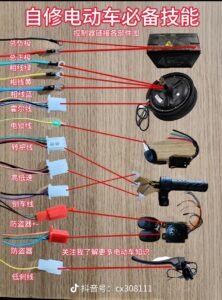
Alt Text: electric cargo tricycle brake system maintenance
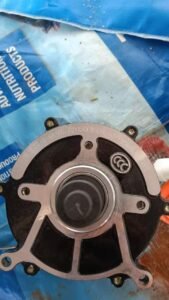
Alt Text: electric cargo tricycle brake pad inspection and adjustment